Introduction to Sound Healing
15 August 2026 · 5 min read
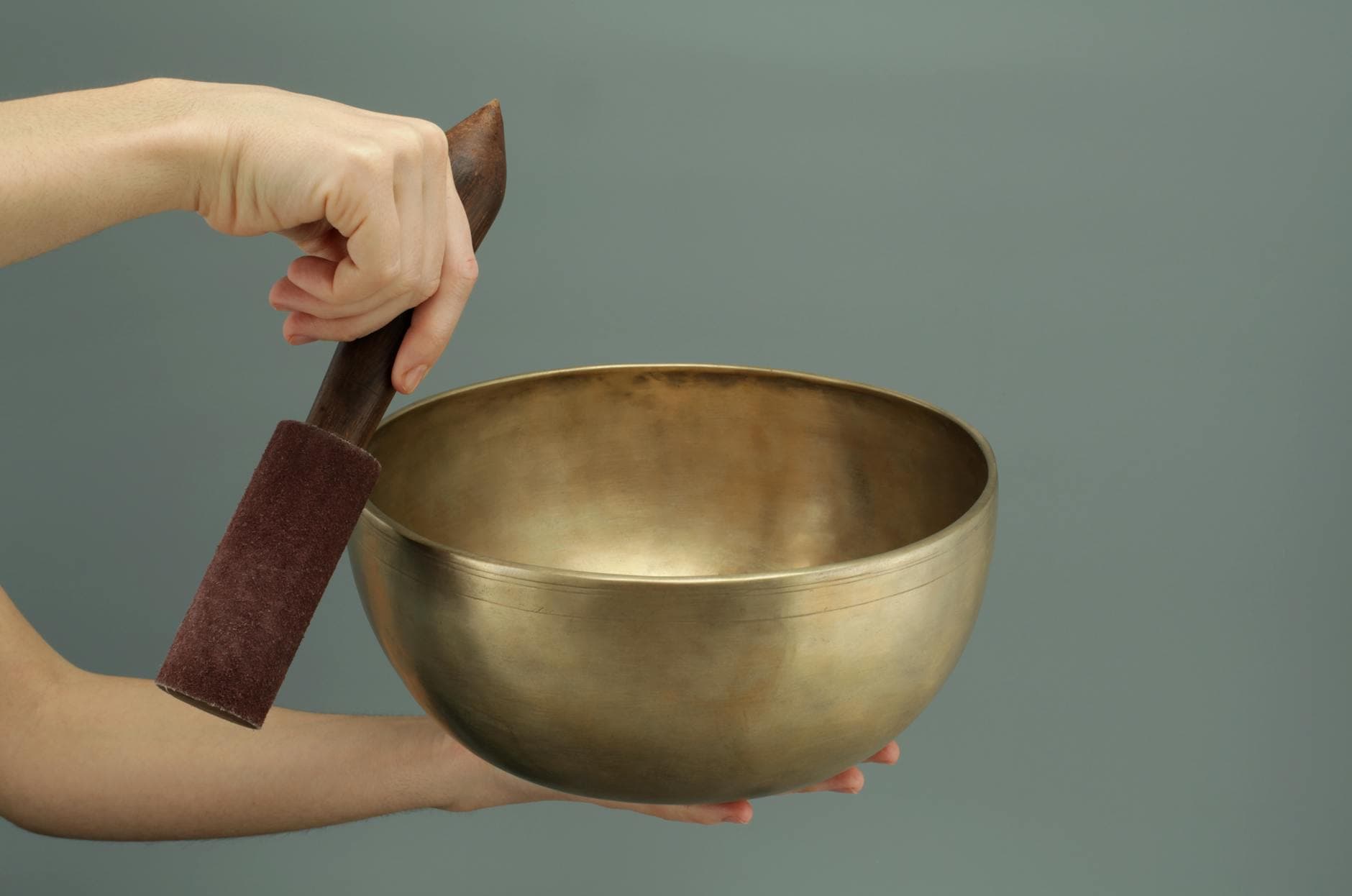
Sound healing works with vibration — typically Tibetan and crystal singing bowls, gong, tuning forks and frame drums — to create a resonant, immersive soundscape. The instruments aren't chosen for their appearance; each produces a distinct, sustained tone, and it's the combination and layering of those tones that practitioners work with.
There's very little to actively do in a sound healing session. Most sessions involve lying down, fully clothed, on a mat or treatment table, while the practitioner plays the instruments around (and sometimes gently on) the body. There's no performance required from the person receiving it — the invitation is simply to lie still and let attention settle.
People describe the experience in different ways: a state somewhere between sleeping and waking, a sense of the mind finally going quiet, or simply a deep, unfamiliar kind of rest. Some people have an emotional response; many just doze. There's no single "correct" experience to aim for.
The physiological response to slow, resonant sound and extended stillness is reasonably well understood in general terms — the body's stress response tends to settle when given sustained, quiet input and permission to stop doing anything. Sound healing leans on that mechanism rather than claiming anything beyond it; it isn't a treatment for any diagnosed condition, and no specific outcome is promised.
If you're curious but hesitant, a short guided audio practice is a reasonable way to get a sense of it before attending a live or group session — see the Guided Energy Reset for a starting point that uses some of the same principles.