Pause, Breathe, Be
A short guided practice for coming back to your breath, wherever you are.
Topic: Emotional Wellbeing
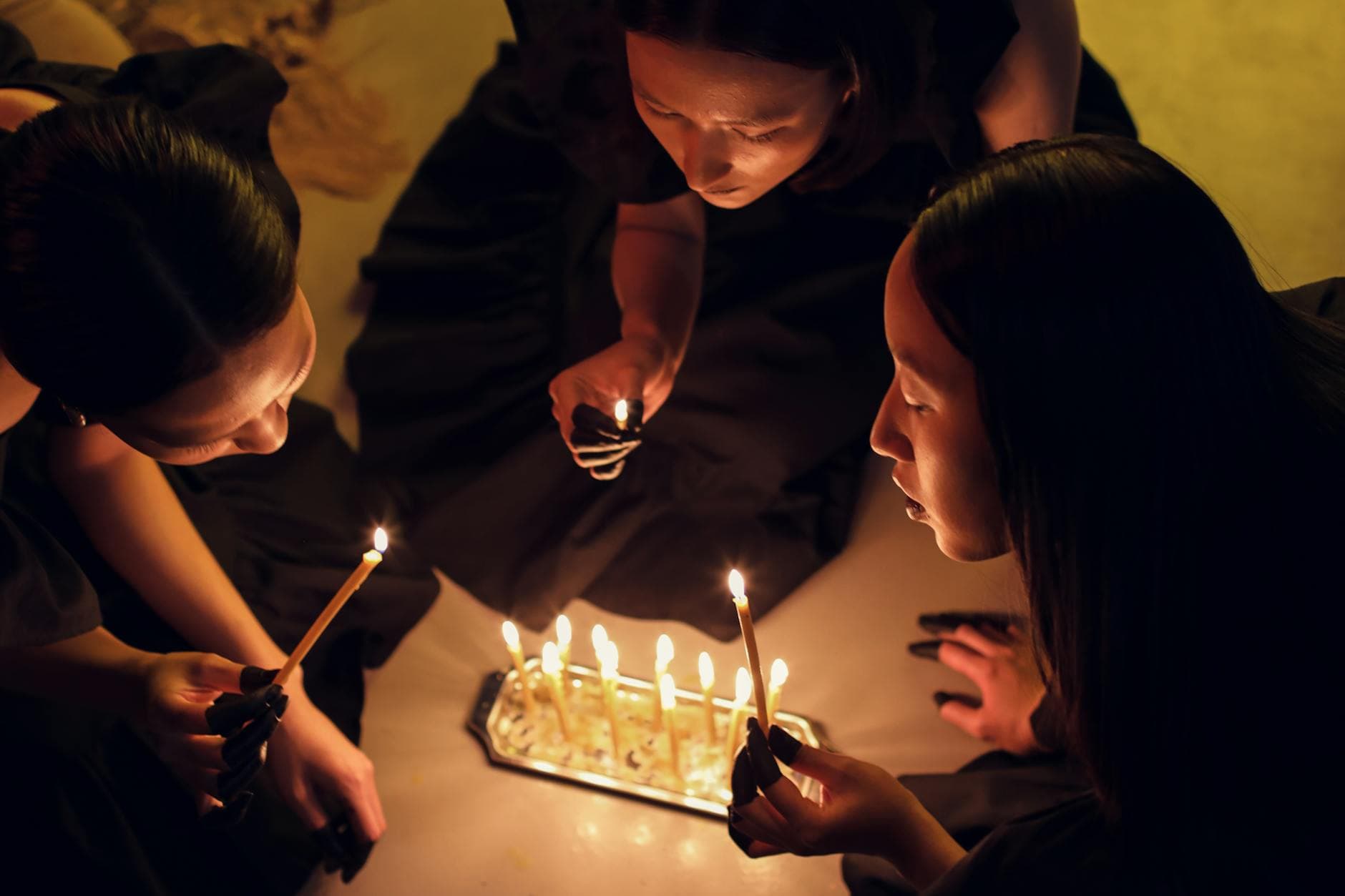
A few minutes of breath, stillness and gentle attention — for whenever the day feels like too much. No equipment and no experience needed, just a quiet spot and a few minutes.
1. Before You Begin
This is a short practice, not a performance — there's no version of it you can get wrong. You don't need a special posture, a quiet house, or any experience with breathwork or meditation. You just need a few minutes and a willingness to stop doing anything else for that long.
Find somewhere you can sit or stand without being interrupted for a few minutes — a chair, the edge of a bed, a parked car, even a corner of a busy room if that's genuinely what's available to you. Read through the practice once first if it's easier, then come back and do it slowly, without rushing to the next line.
You don't need to believe anything in particular for this to be useful. Come with curiosity rather than certainty. If it does nothing for you the first time, that's a reasonable outcome too — some practices take a few tries before they mean anything.
2. The Practice
Let your eyes close, or soften your gaze toward the floor a little way in front of you. There's nothing to look for.
Notice, without changing anything yet, how you're breathing right now. Not better breathing — just noticing. Is it high in the chest, or lower, in the belly? Fast or slow? There's no correct answer; you're only gathering information.
Now take a slightly slower breath in through the nose, and let the breath out for a little longer than it took to come in — roughly a count of four in, six out, though the exact numbers matter less than the shape: in gently, out a little slower. Repeat this five or six times, at your own pace.
Somewhere around the third or fourth breath, silently name where you are: the surface underneath you, the temperature of the air, one sound you can hear. You're not trying to relax on command — you're giving your attention somewhere steady to land while the breath does the rest.
Stay with that rhythm for as long as feels right — usually somewhere between two and five minutes is plenty. There's no timer to beat and no minimum that counts as "having done it properly."
3. If Your Mind Wanders
It will. That's not a sign you're doing this wrong — it's what minds do, especially ones that are tired, overloaded or mid-crisis. The practice isn't to stop the wandering; it's to notice it and come back, as many times as you need to.
A useful way to think about it: each time you notice your attention has drifted and you gently bring it back to the breath, that return is the practice. Not the not-wandering. The coming back, however many times it takes, is what you're actually doing here.
If a particular thought keeps pulling you away — something urgent, something upsetting — it's fine to acknowledge it once ("yes, I know, I'll come back to you") rather than fighting it. Most thoughts are willing to wait a few minutes if you tell them plainly that you'll get to them.
4. Carrying It Forward
When you're ready to finish, let your breath return to whatever's natural, and open your eyes if they were closed. There's no formal ending required — you can go straight back into your day.
This practice is deliberately small enough to repeat often: at a desk between meetings, in a car before going inside, at a kitchen counter before the rest of the house wakes up. It tends to be more useful returned to in small, regular moments than saved for a crisis.
This is a complementary practice, not medical or psychological treatment, and it isn't a substitute for professional support — if you're managing anxiety or another condition, please keep working with the professionals supporting you alongside anything explored here. If this felt useful and you'd like a fuller toolkit for the harder days, Calm Within the Chaos builds on the same ideas with a few more practices to draw on.
Enter your email to receive this resource.