Understanding Energy Alignment
8 August 2026 · 5 min read
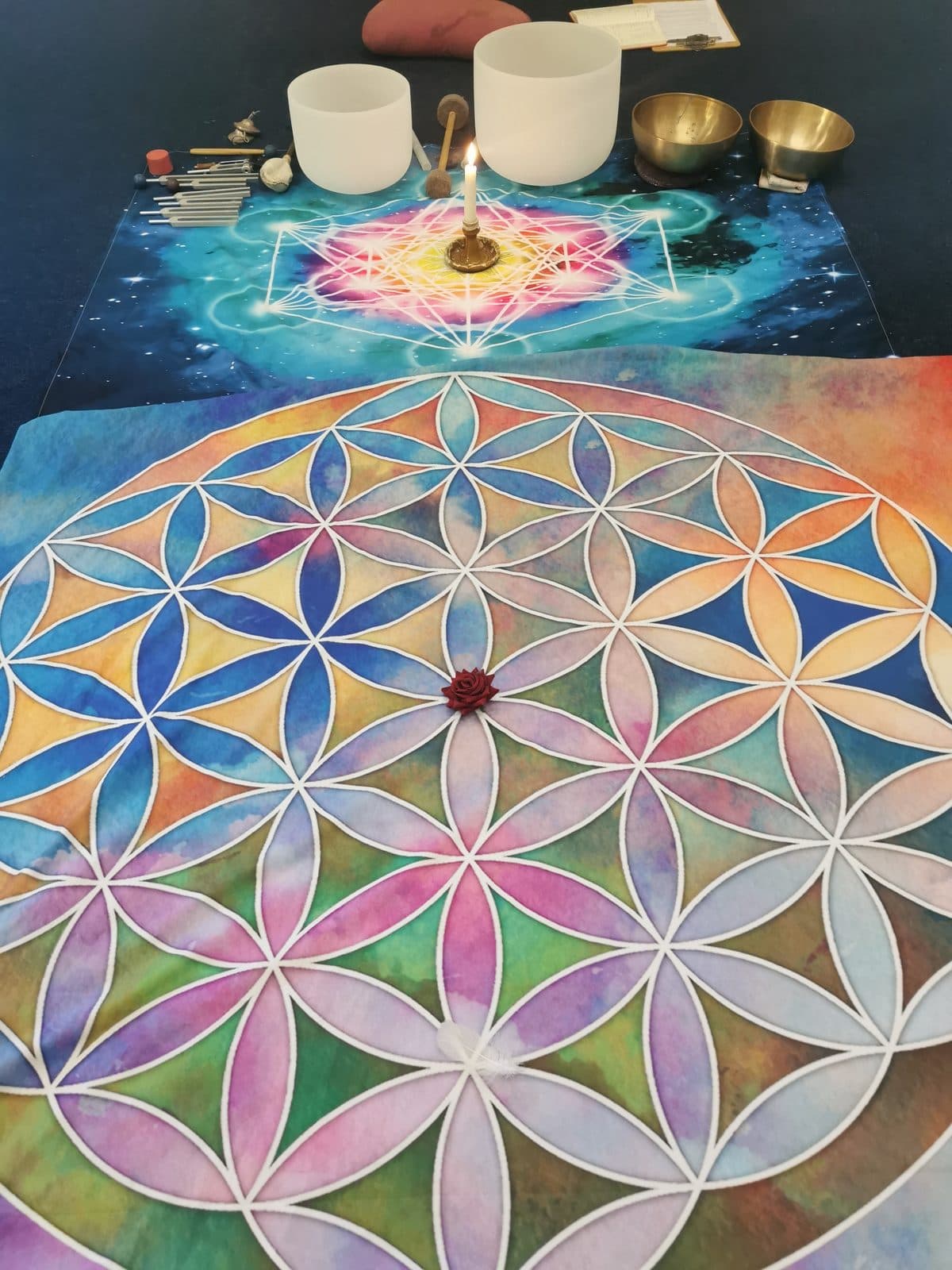
"Energy alignment" gets used loosely, so it's worth being specific about what it usually means in practice: paying attention to how you feel — physically, emotionally, mentally — and working with simple, repeatable practices to shift a state that feels stuck, scattered or depleted into one that feels steadier.
Most traditions that use this language start in the same place: grounding. Grounding practices are simple, often physical, ways of bringing attention back into the body and the present moment — a few slow breaths, feeling your feet on the floor, noticing what's actually here right now rather than where your mind has wandered to. It sounds almost too simple to matter, and yet it's usually the practice people come back to for years.
From grounding, energy awareness tends to develop as a habit of noticing: which situations, people or environments leave you feeling more like yourself, and which ones leave you drained. This isn't mystical — it's closer to building any other form of self-awareness — but many people find that naming it as "energy" gives them a useful, embodied vocabulary for something they'd otherwise only notice as vague tiredness or irritability.
A daily energy practice doesn't need to be elaborate. A few minutes of grounding in the morning, a short check-in at points through the day, and a wind-down practice in the evening is enough for most people to start noticing a difference in how they feel — not because anything mystical is being added, but because attention itself changes how we relate to our own state.
As with everything on this site: this is a complementary practice, not medical or psychological treatment, and it isn't a substitute for professional care. If you're navigating a health condition, keep working with the professionals supporting you, and treat anything here as something additional, not a replacement.
If you want a structured way in, the free 7-Day Energy Awareness Journey and the Guided Energy Reset audio are both built as gentle starting points — no experience required.